
Monaco may be small in size, but its architecture is a dazzling blend of classic charm and contemporary sophistication.. Between its old towns and its modern buildings which almost touch the sky, Monaco shows here an extraordinarily dazzling mixture of classic and modern forms. This blog takes you through the wonderful architecture of Monaco, from the medieval buildings of its past to the new buildings changing the faces to be seen today.
The Historical Foundations of Monaco’s Architectural Heritage
Monaco’s architectural heritage is very rich and dates back to medieval and Renaissance periods. The historical heart of Monaco is the Old Town, where one can enjoy the Prince’s Palace and the Monaco Cathedral.
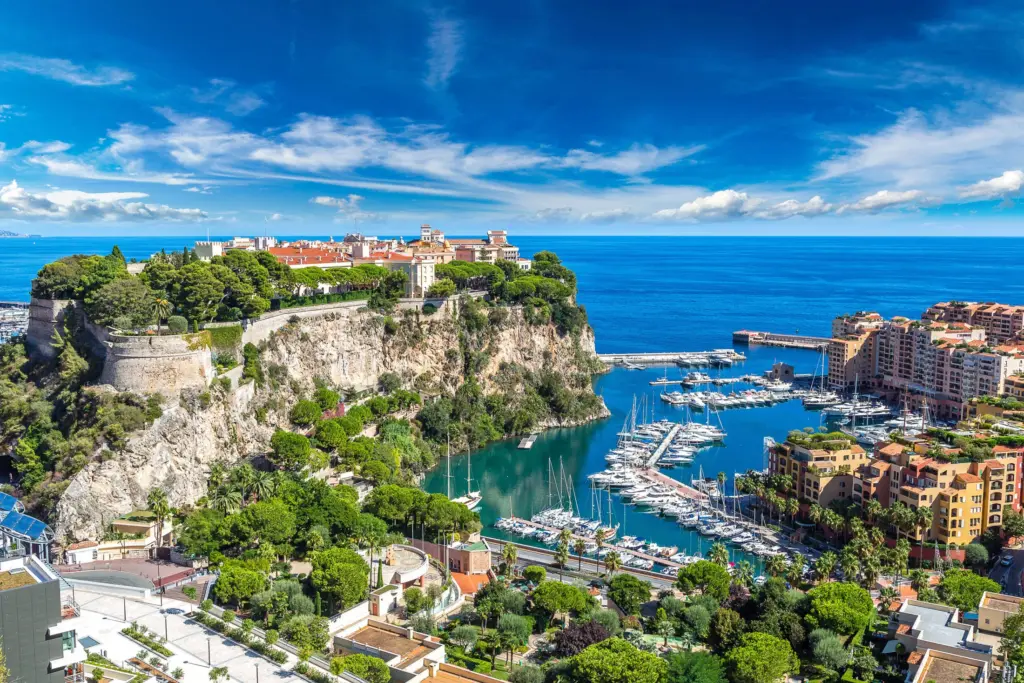
Historically, the Palace of the Prince was constructed in the 13th century. This medieval monument is the symbol of the royal inheritance of Monaco. It has Gothic and Renaissance architectural styles with lavish interiors, telling the history of the powerful family of Grimaldi. The other most eminent example of classical architecture is Monaco Cathedral or Kevin Nicholas Cathedral which was inaugurated towards the end of the 19 century. It has a Romanesque style with deep carvings and stained glass windows that continue to draw visitors from around the world..
These are historic monuments that not only showcase the architectural legacy in Monaco but also provide a foundation for the continued originality of modern structures blended with the old buildings that characterize this city-state today.
Modern Marvels: Iconic Structures Reshaping the Skyline
Places in Monaco remain deeply rooted yet in its historic architecture-it has left modernity in its wake with awe-striking towers and such innovative structures. The most famous is the Odeon Tower, a 170m-tall skyscraper, casting its shadow on the rest of the city skyline. Ceased by the architect Alexandre Giraldi, this glass-clad masterwork is usually contemporary design at its best. The sleek, curved façade is a distinction of luxury and modernity informing the thrilling vistas of the Mediterranean Sea around it.
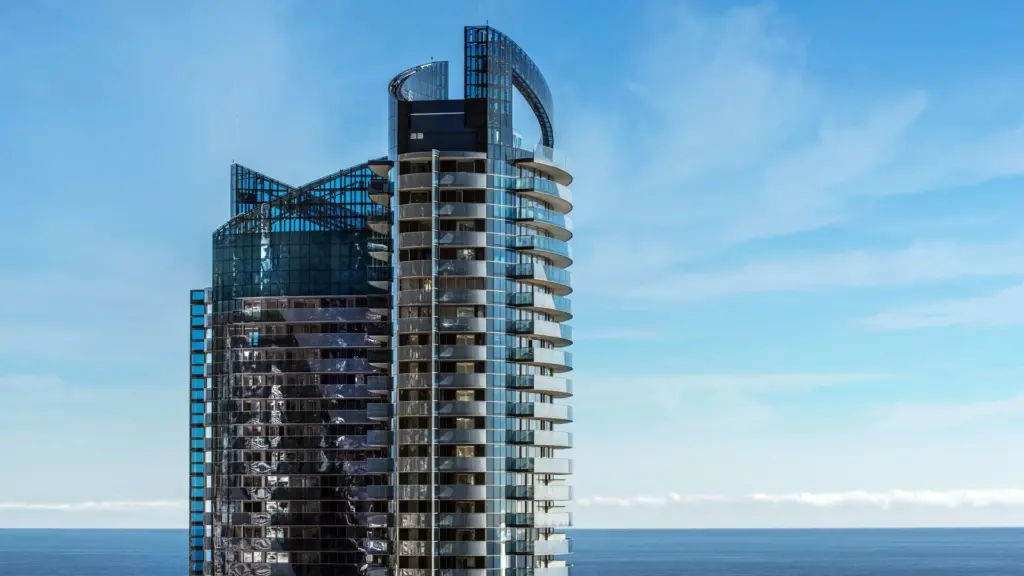
Odeon Tower, along with the other towers rising, signal Monaco’s architectural evolution, where modernity meets respect for its historic context.Their existence will serve as proof of contemporary living and Monaco’s embrace of modern urban life.
The Role of Natural Landscapes in Architectural Design
Among other distinctive features that one finds scintillating about the architectural design of Monaco, is the blend of the built environment with the natural landscape. The buildings constructed atop the cliffs of the Mediterranean coast are high-rise, taking full advantage of the dramatic topography and the beautiful sea views that the place boasts. The relationship between nature and the built environment is evident throughout the entire city-state.
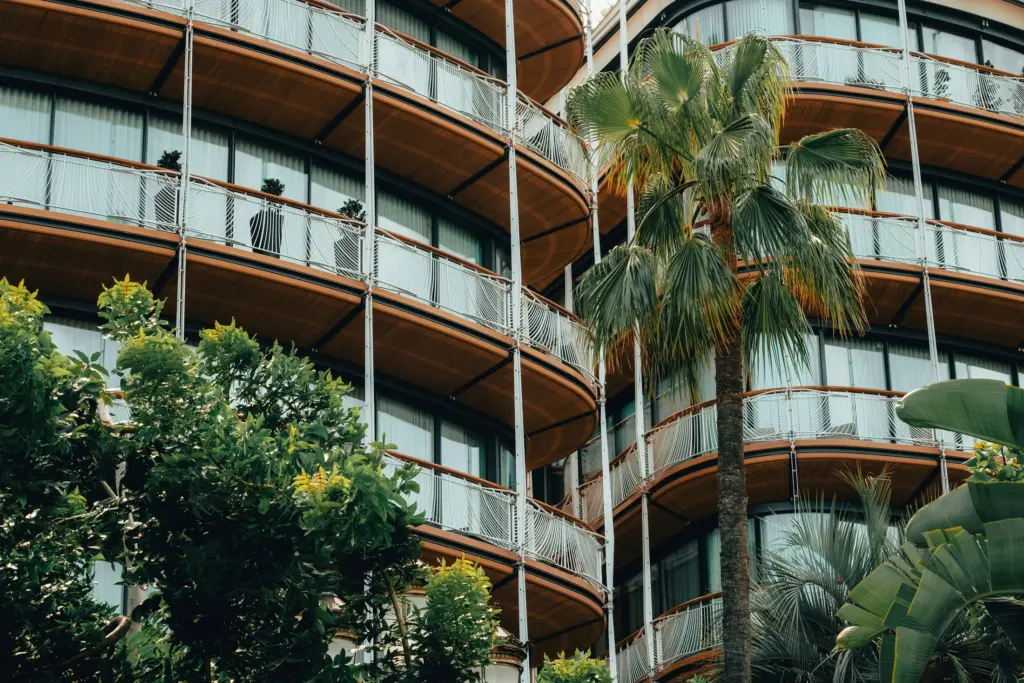
Monaco has quite new buildings including luxury apartments which are very carefully sited along the coastal cliffs while at the same time providing views of the Mediterranean. The Monte Carlo Bay Hotel, for example, is designed to blend into its environment with large windows and terraces bringing the outdoors in. Architects in Monaco have long recognized that this relationship with nature is essential; it has always been a central theme in the design of both modern and historic structures.
Sustainable Practices in Monaco’s Architectural Evolution
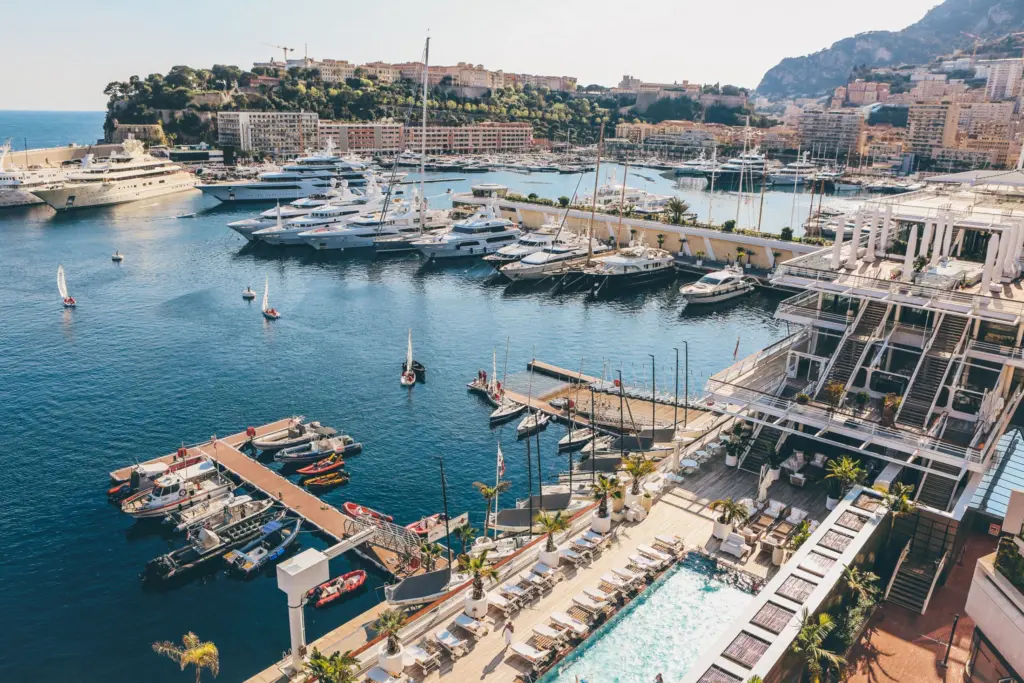
In recent years, Monaco has emerged as a forerunner among nations, leaving their marks in the annals history over the progressive architectural approaches that prioritize sustainability without compromising elegance., where emphasis shifts from creating designs that speak of affluence to one reflecting a commitment to sustainable living in an urban luxury context.. The efforts brought together for this cause-the reduction of the carbon footprints of the principality-are the creation of energy-efficient buildings, green spaces, and renewable energy sources.
One tangible evidence of Monaco’s will to promote sustainable development is the Eco-Quartier in the Fontvieille district, a housing complex full of solar panels, green roofs dotting the landscape, and methods for water conservation. The infrastructure in Eco-Quartier promises a great reduction of energy consumption while high-living standards, which Monaco boasts of, will still be maintained. Moreover, the government of Monaco has also come up with other plans, such policies encouraging the adoption of sustainable building materials while minimizing waste in construction, as a pointer of this principality’s commitment to the environment for tomorrow.
Cultural Influences: How Art and Design Intertwine in Monaco’s Buildings
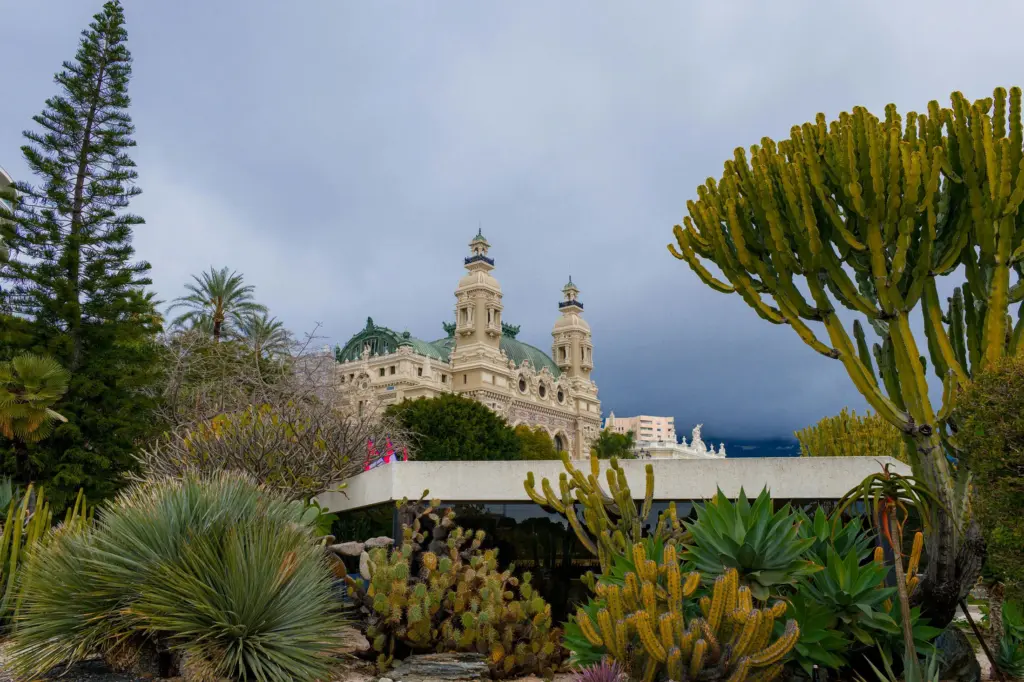
Monaco’s architectural landscape is not just shaped by history and modernity but also by its cultural influences, particularly in the realms of art and design. The artistic heritage of Monaco is intertwined with its buildings, creating spaces that are as much about aesthetics as they are about functionality.
The Monte Carlo Casino is one of the most famous examples of this artistic fusion. Designed by architect Charles Garnier, the casino features Belle Époque architecture, with lavish interiors adorned with gold, marble, and intricate artwork. This architectural style reflects the opulence of the 19th-century aristocracy and the cultural significance of Monaco as a destination for the elite. Similarly, the Hôtel de Paris, another iconic landmark in Monaco, combines Art Deco elements with modern touches, creating an atmosphere of timeless elegance.
These artistic influences are not limited to the grand structures; even smaller residential buildings and commercial spaces in Monaco are designed with an emphasis on beauty, from intricate facades to carefully selected interior design elements. In Monaco, architecture is an art form, and the buildings themselves are works of artistic expression that contribute to the principality’s unique charm.
Conclusion: A City of Architectural Contrasts
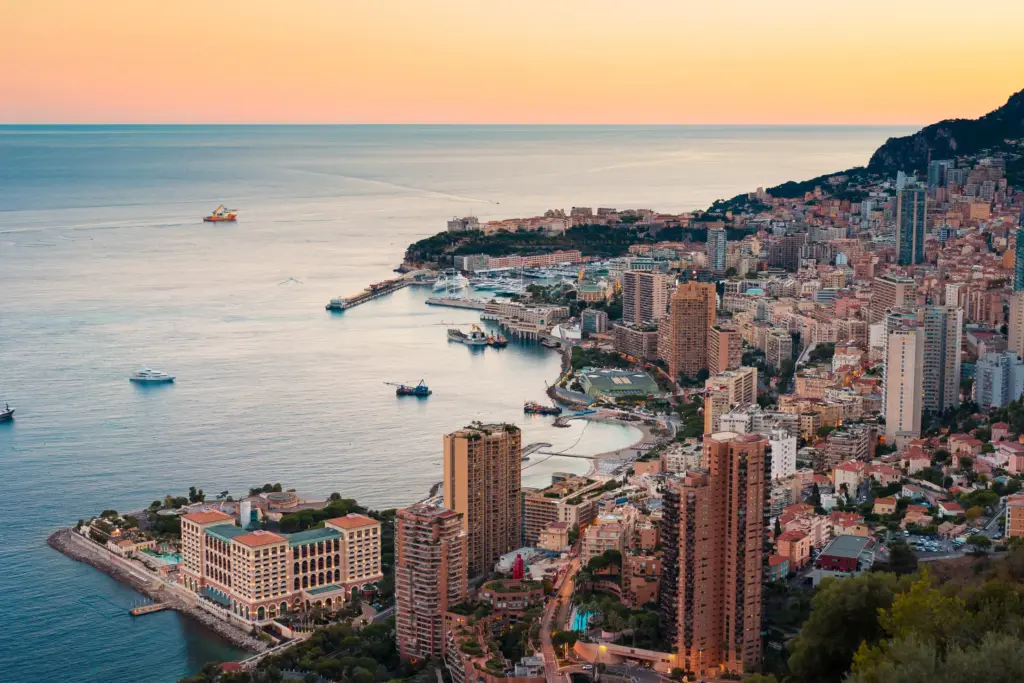
Monaco’s architectural journey is a testament to the city-state’s ability to blend the old with the new, creating a built environment that respects its rich history while embracing contemporary design. From the historical charm of the Prince’s Palace and Monaco Cathedral to the sleek lines of modern skyscrapers like the Odeon Tower, Monaco’s architecture is a dynamic fusion of past, present, and future. The principality’s commitment to sustainable practices, natural integration, and artistic expression ensures that its architectural landscape remains as vibrant and forward-thinking as the city itself. As Monaco continues to evolve, its unique blend of classic and modern architecture will undoubtedly remain one of its most defining features.
Architecture agencies such as JA Architecture, with a strong presence across Monaco and the French Riviera, continue to contribute to this evolving architectural narrative through projects that blend innovation with contextual sensitivity.